Inspect & Measure
Wash, then read paint depth under proper lighting to see the true clear coat condition.

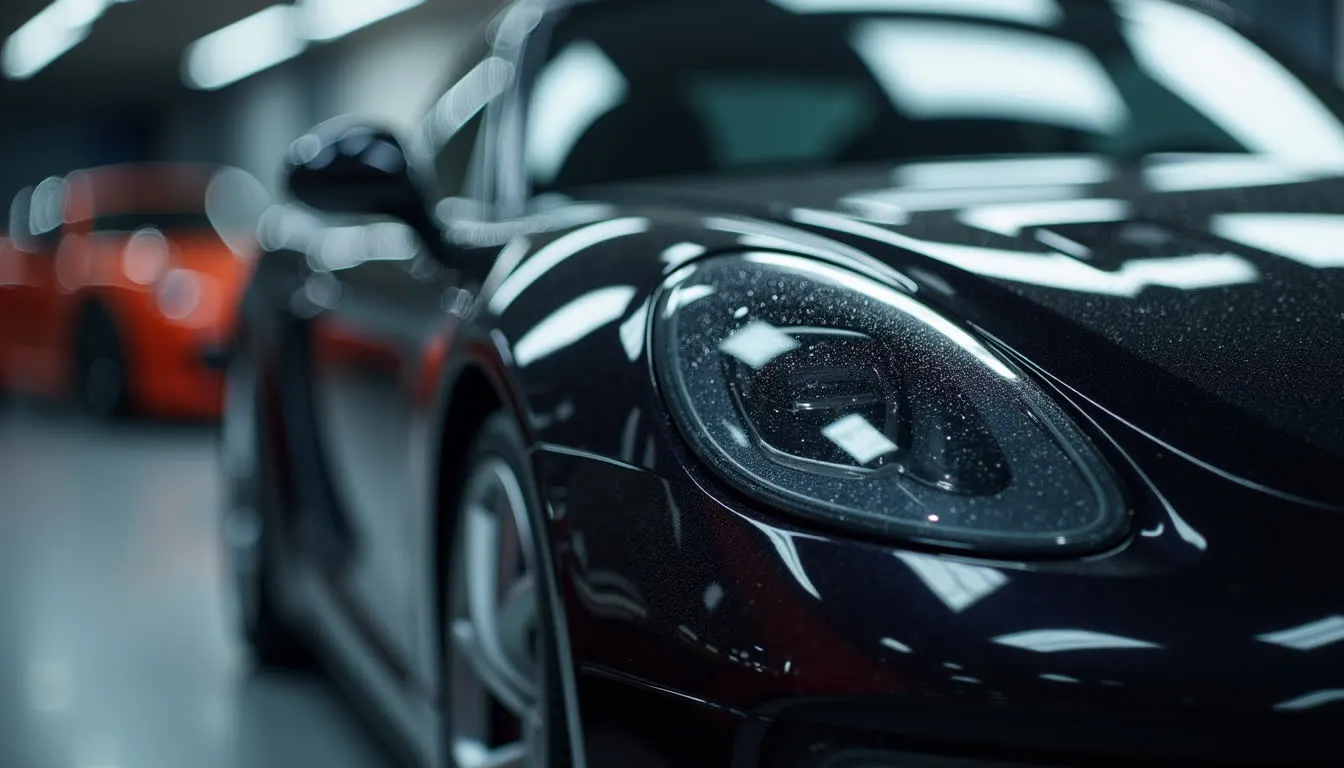
Paint correction in Macomb removes the swirls, scratches, and oxidation that dull your finish and leave it looking tired. We machine-polish the clear coat in stages to cut away the damage and restore deep, even gloss. Ready to bring back that shine? Get in touch with us.
Paint correction fixes most swirl marks and light scratches, but not deep ones. It’s a machine polishing process that levels the top layer of your clear coat to erase surface flaws.
By removing a thin amount of clear coat, it clears away the damage that sits inside the paint, not just on it. That’s why it handles swirls, haze, and oxidation so well. But scratches that catch your fingernail reach past the clear coat into the base paint. Polishing can’t rebuild what’s gone, so those need touch-up or repair instead.
We read your paint depth first, then tell you what’s possible.
Get a Quote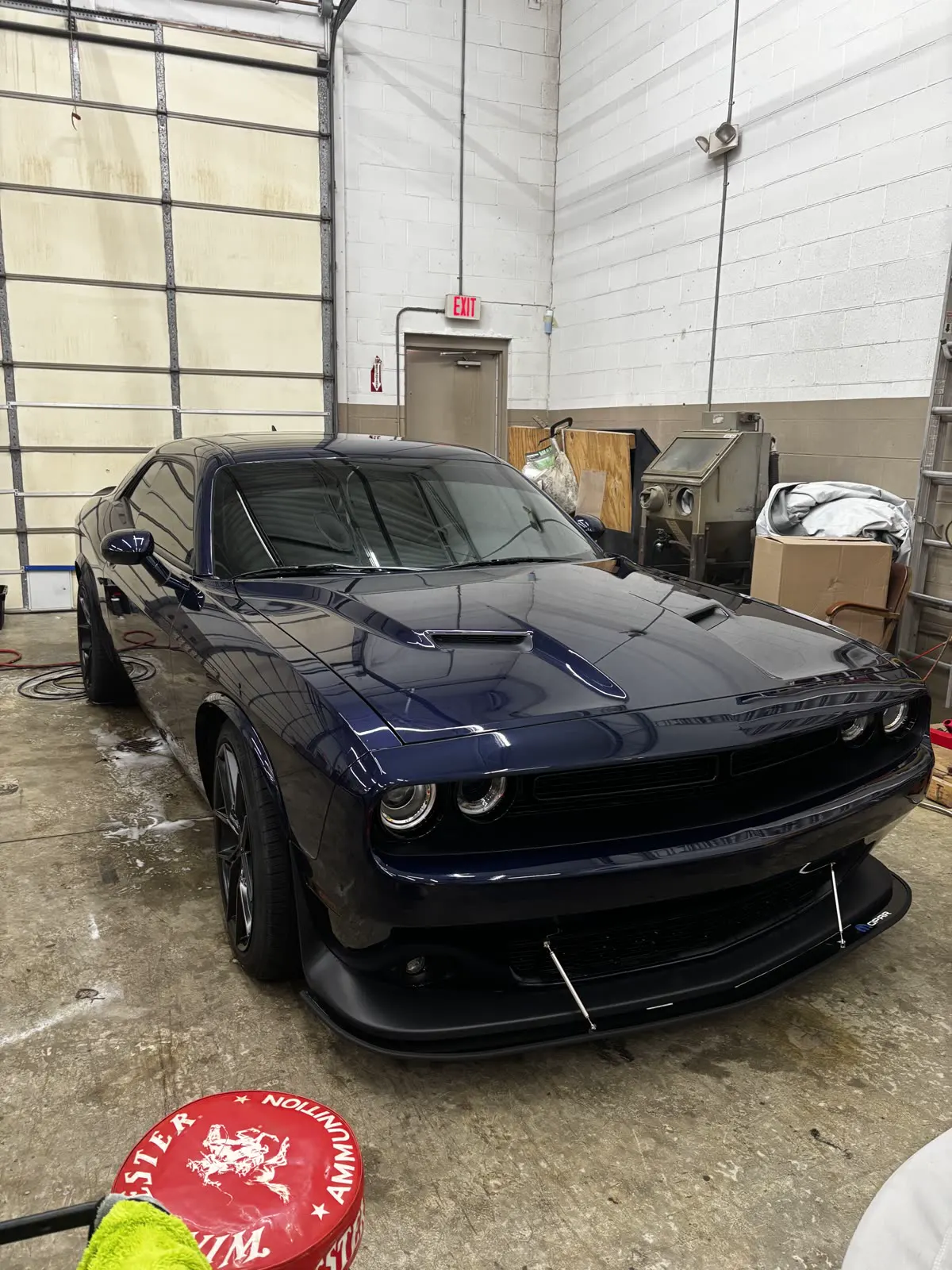
Not every vehicle needs paint correction, and we’re honest about that. You can see our full list of detailing services here.
If your car is under a year old and you’ve kept up with washes, you probably don’t have enough damage for full correction. A hand wash and a layer of wax protects paint that’s already in good shape. Many newer vehicles with light dust scratches just need a clay bar and polish to look showroom-ready again.
Here’s a common Macomb scenario. Road salt coats everything from November through March. Someone brings us a daily that has seen better days, but they’re trading it in within six months. Correcting a car you’re about to sell rarely adds up. A solid wash, wax, and a quick pass on the headlights makes a good impression for less.
Not sure which one you need? We’ll look at your paint and tell you straight. If wax is the right call, we’ll say so.
Get a Quote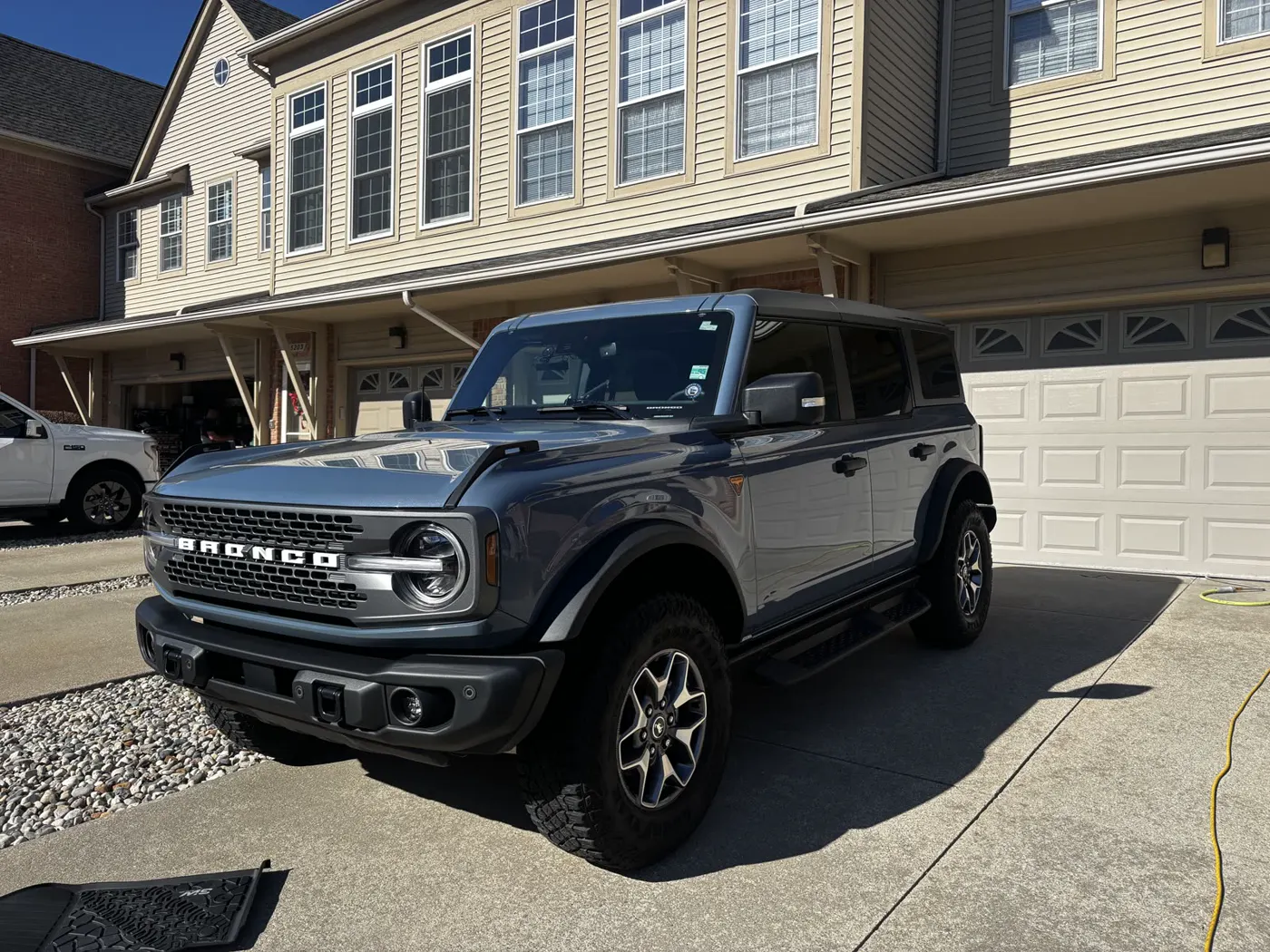
Macomb County roads get hit hard from November through March. The county and MDOT use rock salt and magnesium chloride brine to manage winter. That stuff doesn’t just sit on the pavement, it coats every panel, clings to wheel wells, and eats into your finish.
Salt is corrosive. That’s chemistry, not opinion, and the EPA notes road salt causes billions in corrosion damage to vehicles each year. And it doesn’t need to reach bare metal to cause problems, it attacks your clear coat first. Tiny chips from gravel on Gratiot Avenue or Hall Road let salt get underneath, breaking down the bond between clear coat and base paint. You’ll see white spots, rough patches, or dull areas that won’t wash off.
You can see it every winter. A two-year-old truck comes in looking five years older, gritty even after a wash, with a hazy film across the hood that soap can’t lift.
Paint correction removes that damaged layer, cutting back the compromised clear coat to reveal clean paint. Wait too long and the salt works deeper, leaving less to save. That’s why spring, right after salt season, is the best time.
Wash, then read paint depth under proper lighting to see the true clear coat condition.
Clay bar pulls bonded salt, film, and grit out of the paint before any machine work.
Single or multi-stage polishing levels swirls, oxidation, and etching from the clear coat.
A wax, sealant, or coating (add-on) locks in the corrected finish before salt and UV return.
Good correction shows the moment you see your car in the light. The paint looks deep and glossy from every angle. Swirl marks are gone under direct sun, and the finish feels smooth to the touch.
Before we leave, we walk around your car with you under proper lighting. We show you the panels we corrected and the difference in each one. You see the results yourself.
To hold that finish, wash with clean tools and skip automatic brushes. A fresh layer of protection guards against Macomb salt and summer UV. Club members have it kept topped up all year.
Get a Quote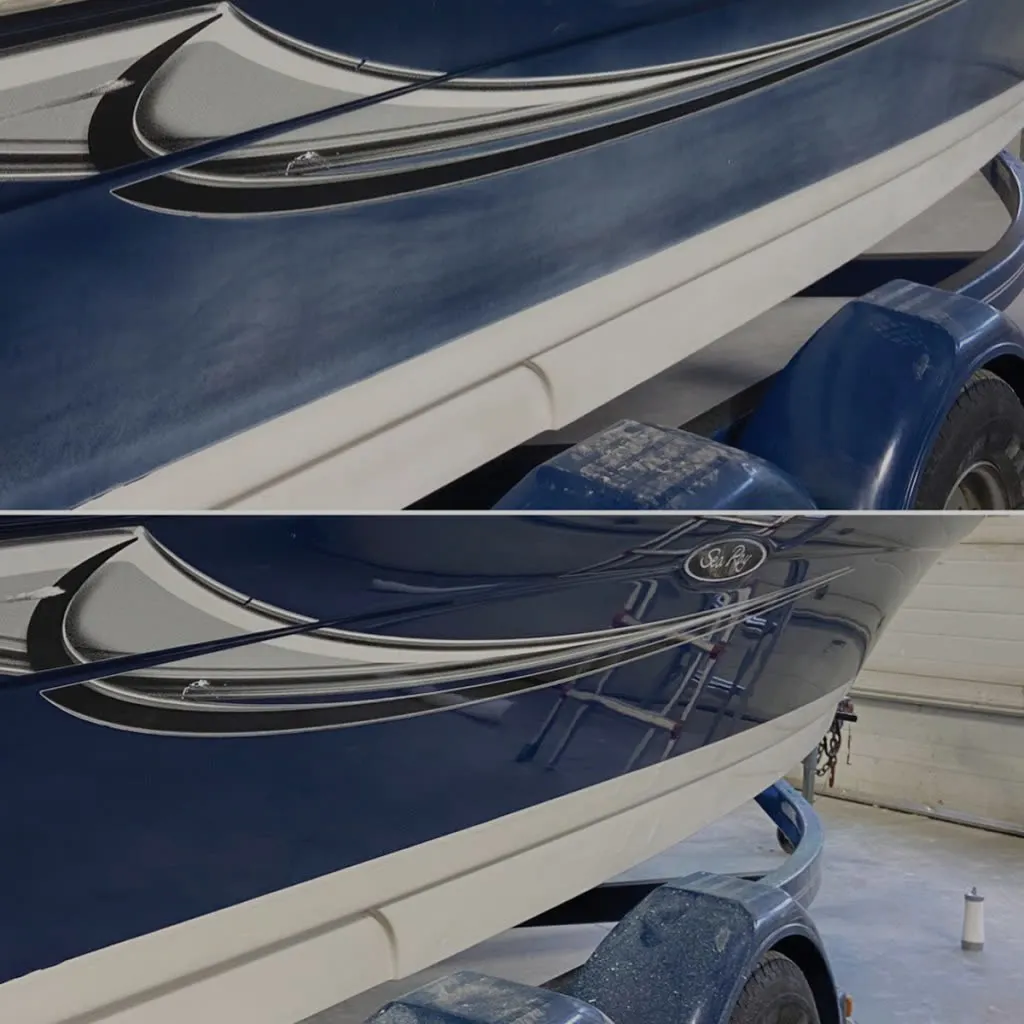
Gio came out today to detail my 2010 Jeep Wrangler. He was on time and very courteous. My car looks amazing! You would never know it was 16 years old! I am very happy and would highly recommend Gio and his crew. On top of that they found $25.00 in my car and left it in the glove box. Honesty and integrity at it’s best.
Did super job on paint correction highly recommend using will be back in the future
I wouldn’t take my business anywhere else! My car looked like it came off the showroom floor again. I highly recommend the Detail Guyz to detail your vehicle.
There’s no flat rate. Any provider who quotes a number without seeing the vehicle is guessing.
What drives the cost up or down:
We always take a paint depth reading first. That’s non-negotiable, since it tells us how much clear coat we have to work with and prevents a burn-through no polish can fix.
Before booking anyone, ask if they measure paint thickness and explain what stage your car needs. We’d rather be straight about what your paint actually needs than oversell a service that won’t help.
Get a Quote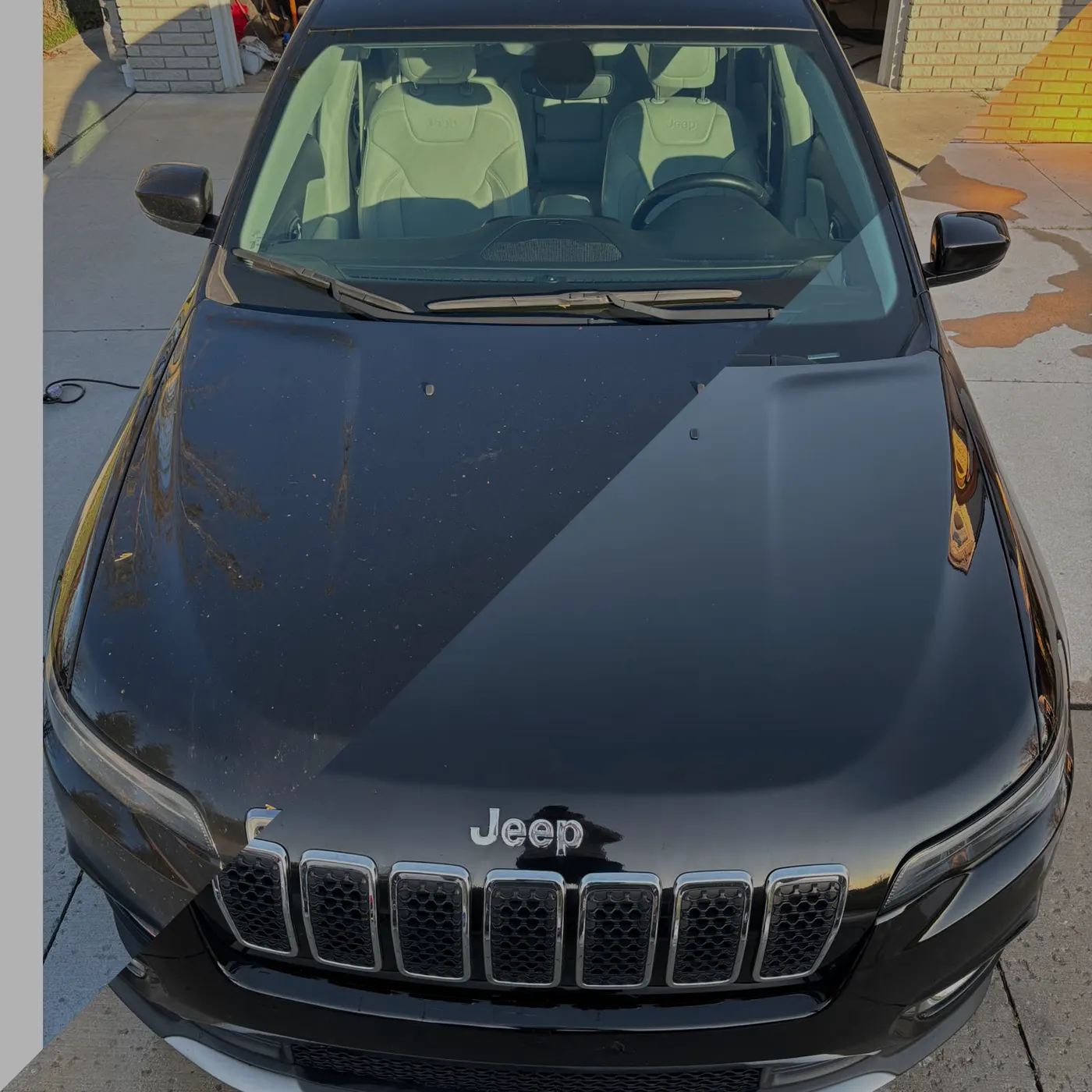
Tell us what you drive and what is bothering you. We answer with a straight price and the first open slot on the route, usually the same day.